Petrochemical Feedstocks

Naphtha

Naphtha and related petrochemical feedstock enquiries reviewed against intended application, assay, shipping requirements and counterparty conditions.

C₅+
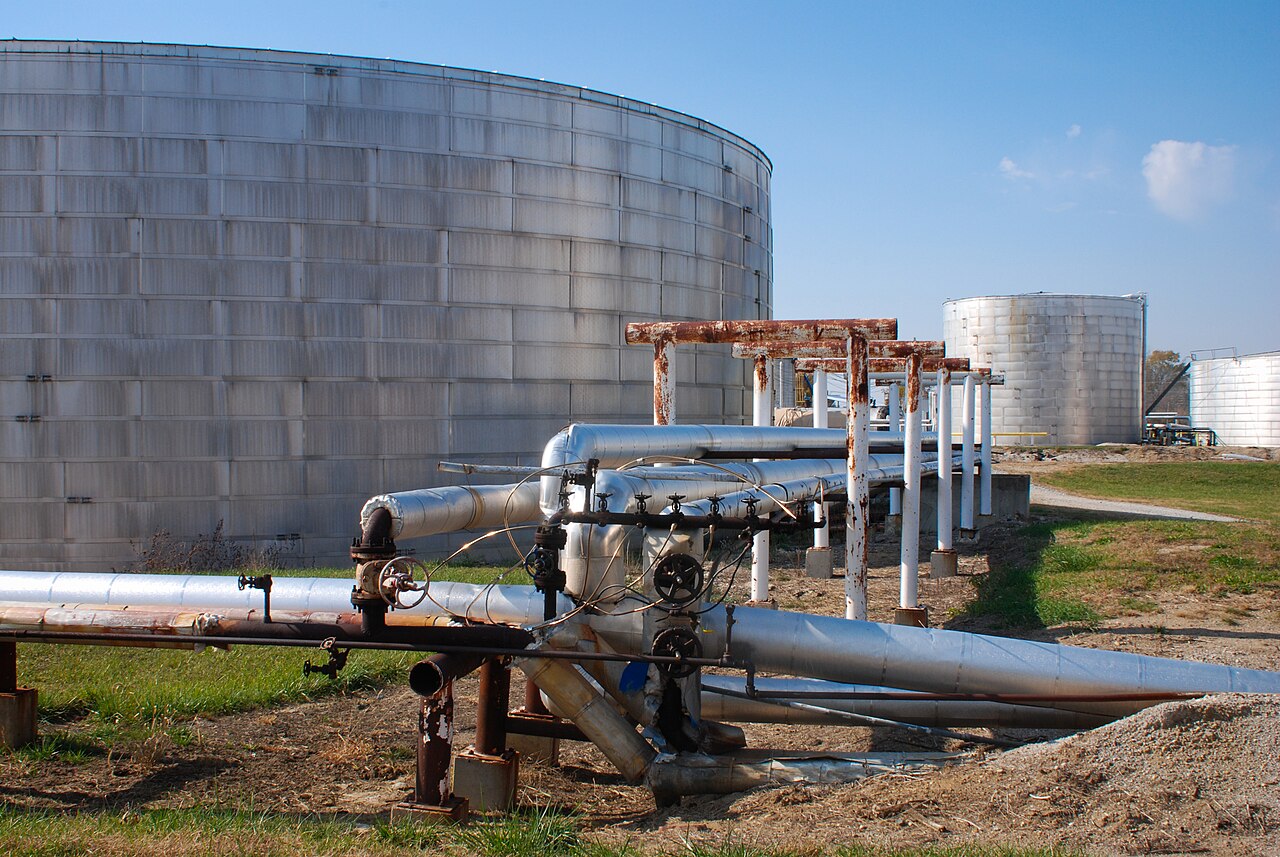
Industrial petroleum storage tanks and transfer pipingEnergy logistics · industry reference
PRODUCT / COMMERCIAL BRIEF

Naphtha feedstock suitability

What to provide for this product

01 · BUYER

Buyer brief

  • Light / full-range / heavy naphtha target and intended processing use
  • Assay: density, sulphur, distillation range and RVP if required
  • Parcel size, tank / port limitations and delivery period
  • Incoterm and inspection basis
Start a buying enquiry
02 · SUPPLIER

Supplier evidence & offer

  • Product origin and lawful selling entity
  • COA or representative assay with test methods
  • Storage / loading arrangement and quantity basis
  • Delivery window, price basis and offer validity
Propose supply
Before proceedingFirst check: the feedstock assay must meet the refinery or cracker intake limits.

Review of these requirements is not a supply allocation, binding offer or guarantee.

Technical & commercial parameters

Choose the commodity first. Each page lists the grade, quality, volume, shipping and documentation details needed to evaluate a real enquiry.

Grade
Light / heavy / full-range, as specified
Assay
Density, distillation, sulphur and related parameters
Quantity
Target parcel and delivery schedule
Delivery
Named port and contractually agreed Incoterm
Compliance
Applicable classification and import/export requirements
Typical applications

Steam cracking, reforming and other refinery or petrochemical applications, depending on grade and assay.

PRODUCT / FAQ

Buyer & supplier questions

What is required for naphtha sourcing?+
Provide the intended application, product assay, quantity, destination and target delivery dates.
Is all naphtha interchangeable?+
No. Grade and assay can materially affect processing suitability and commercial terms.
Are delivery terms fixed?+
No. Trade terms depend on the actual supplier, destination, regulatory constraints and agreed contract.